Print-on-Demand Side Hustle: How to Start With $0 in 2026
🛍️ June 2026 · ⏱ 12 min read · ✍ The Laptop Life Editorial
There's a particular kind of online business that sounds too good to be true until you understand how it works: you sell physical products — t-shirts, mugs, hoodies, wall art — without ever buying stock, storing a single box, or going near a post office. No inventory. No upfront cost. No risk of being stuck with 200 unsold shirts. When someone buys, the product is printed and shipped after the sale, and you keep the difference. That's print-on-demand, and it's one of the most genuinely beginner-friendly ways to start earning online in 2026.
Here's what we want you to believe before you read on: you do not need money, design skills, or any technical know-how to start. The platform is free. The storefront is free. Listing your products is free. The customer covers production and shipping at the moment they order. The only thing standing between you and your first store is a free afternoon — and this guide.
We're not going to pretend you'll wake up rich. You won't. But print-on-demand is real, the market is enormous and still growing fast, and the people who succeed aren't the most artistic — they're the ones who pick a smart niche and actually start. By the end of this guide you'll know exactly what to sell, how to design it (even with zero art skills), which platform to use, how to price it, and how to make your first sale. Let's build it. 🛍️
- What Print-on-Demand Actually Is
- How Much Can You Really Make?
- Step 1: Pick a Niche That Sells
- Step 2: Create Designs (Even With Zero Art Skills)
- Step 3: Choose Your Print-on-Demand Partner
- Step 4: Set Up Your Store & List Products
- Step 5: Price for Profit
- Step 6: Make Your First Sale
- Mistakes That Keep Beginners Stuck
- Frequently Asked Questions
What Print-on-Demand Actually Is
Print-on-demand (POD) is a business model where your products are only made after a customer orders them. You upload a design, list it on a product (say a t-shirt), and when someone buys, a print partner automatically prints it, packs it, and ships it straight to the customer with your branding. You never touch the product. Your job is the fun, creative part — picking what to sell and to whom — while the partner handles the entire messy back end.
Why it's perfect for beginners: there's no inventory to buy, no warehouse, no money tied up in stock that might not sell. The customer's payment covers production, so you're never out of pocket. It's the same "earn while you sleep" appeal as the other models we cover — it sits comfortably alongside the passive income ideas that actually work — just with physical products instead of digital ones.
This isn't a shrinking fad. The global print-on-demand market was worth around $11 billion in 2025 and is growing at roughly 23–24% a year — on track for tens of billions by the early 2030s. Translation: more buyers, more demand, and plenty of room for new sellers who bring a fresh angle.
How Much Can You Really Make?
Let's be honest, because vague promises help no one. POD income sits on a wide curve, and where you land depends on your niche, your number of listings, and how long you stick with it — not luck. Here's the realistic picture for 2026:
| Stage | Realistic monthly income | What it takes |
|---|---|---|
| Beginner (first 6 months) | $50–$300 | A handful of listings, learning the ropes |
| Consistent seller | $1,000–$2,000 | 50–100 optimized listings, a real niche |
| Serious store | $3,000–$8,000 | Hundreds of listings, strong SEO, repeat buyers |
| Top earners | $10,000+ | A brand, large catalog, years of work |
The pattern is clear: volume and consistency beat talent. New sellers typically earn $50–$300 a month in their first half-year, and the ones who push past it do so by adding listings and refining what works — not by being better artists. Profit margins on POD products usually land around 30–50% once you price smartly (more on that in Step 5).
⚠️ The honest timeline: most sellers need 6–18 months of steady design and listing work before hitting those middle ranges. That's not a reason to quit before you start — it's the reason most people fail. They stop at listing number five. The ones who win simply keep going.
Step 1: Pick a Niche That Sells
This is the single most important decision you'll make. "Follow your passion" is weak advice here; the smart move is to pick a niche where people are already buying, where you can say something specific, and where the designs aren't all great. A profitable niche has real demand, an emotional hook, and room for a fresh angle.
Niches that reliably sell in 2026 include:
- Pets — a giant, emotional market (dog and cat designs especially). Funny pet shirts, custom pet portraits, memorial gifts.
- Hobbies & professions — nurses, teachers, gamers, gym-goers, gardeners, fishing, crafting. People love wearing their identity.
- Family & occasions — new baby, weddings, anniversaries, "world's best grandma." High buyer intent and gift-driven.
- Faith & values — strong year-round demand and loyal buyers.
- Funny / niche humor — inside jokes for a specific group beat generic "funny" every time.
Open Etsy and start typing your niche phrase. The autocomplete suggestions are real searches real buyers are making — if Etsy suggests it, people want it. Then look at the top results: if the designs are generic, ugly, or repetitive, that's your opening to win with something cleaner or funnier. Go narrow — "gifts for cat-mom nurses" beats "funny t-shirts" every time.
Step 2: Create Designs (Even With Zero Art Skills)
Here's the part people fear most — and the part that's changed the most. You no longer need to be an artist. In 2026, a beginner can create clean, sellable designs in three ways:
- Free design tools. Canva (free plan) is more than enough to make text-based and graphic designs that sell — especially in funny, faith, and profession niches where typography is the design.
- AI design tools. Image generators can turn a text prompt into original artwork in seconds. This is the same AI skillset we cover across the blog — if you want to go deeper, our guide to the best AI writing and content tools pairs well with learning to write prompts that produce clean, print-ready art.
- Hire it out. Once a design is proven, a cheap freelancer can polish or expand it into a whole collection.
One practical warning with AI art: check that fine details and typography stay crisp and readable on the actual product (thin "Zzz" graphics, for example, can vanish on a dark shirt). Always preview the mockup before listing. The goal isn't to be the most artistic store — it's to be the clearest one in a niche full of clutter.
Step 3: Choose Your Print-on-Demand Partner
Your print partner is the engine of the whole business — they print, pack, and ship every order, so their quality is your quality. For beginners, the choice comes down to picking one reliable partner and getting started, rather than agonising over the options.
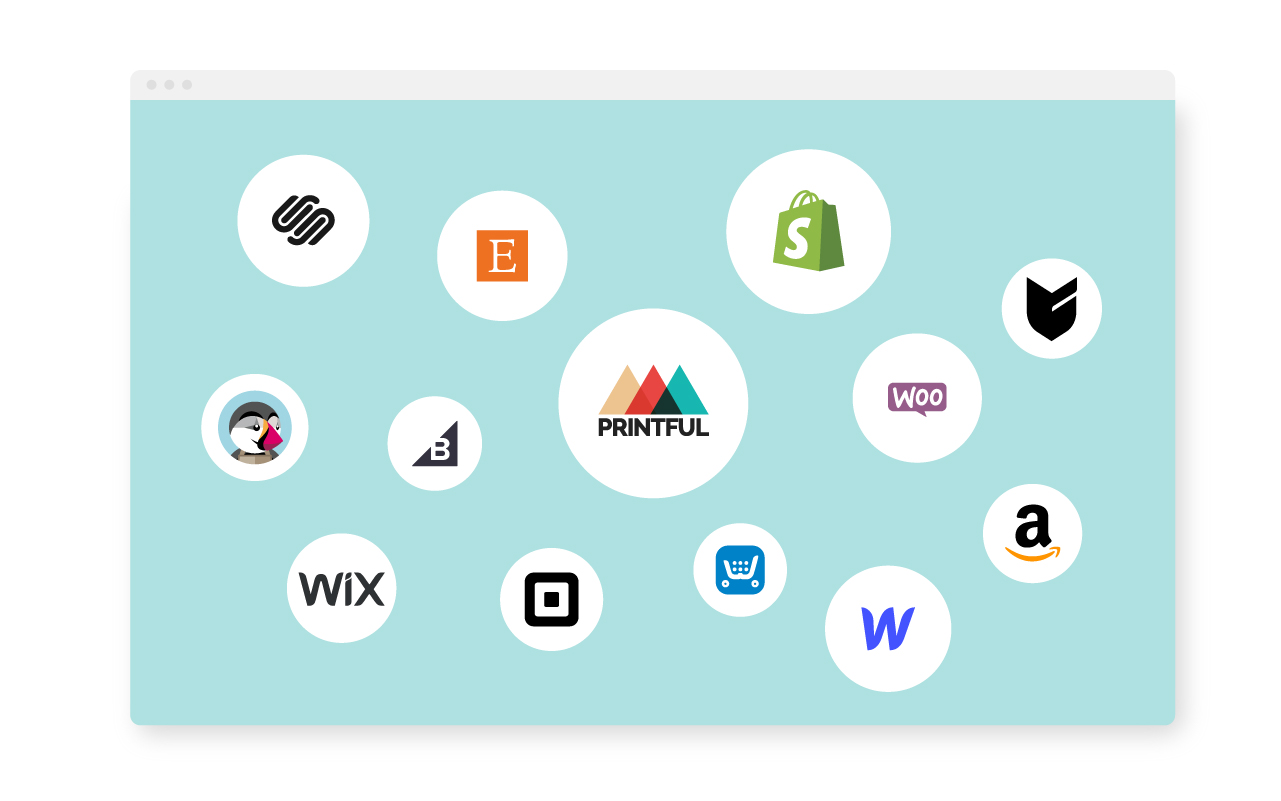
We recommend starting with Printful. It prints in-house (rather than outsourcing to a patchwork of third parties), which means more consistent quality and fewer customer-service headaches — exactly what you want when your reputation is on the line. It's free to use, integrates with Etsy, Shopify, and most major platforms, and has a built-in Design Maker so you can create and preview products right inside the dashboard. You only ever pay when a customer orders.
START HERE — FREE TO JOIN
Set up your free Printful account
Create your store, design products with the free Design Maker, and connect it to Etsy or Shopify in an afternoon. No inventory, no upfront cost — you only pay when you make a sale. It's the simplest, most reliable way to launch your first print-on-demand store today.
🚀 Create Your Free Printful Store →Free to start · Prints in-house · Integrates with Etsy, Shopify & more
A quick note on the alternatives: Printify is the other big name, with a larger catalog and slightly lower base prices through a network of third-party printers. We'll compare the two in detail in a dedicated post — but for a beginner who wants reliability and simplicity, Printful's in-house quality is the safer first step.
Step 4: Set Up Your Store & List Products
Now you connect your designs to a place people can buy them. You have two main routes, and beginners often start with the first:
- A marketplace (Etsy). The fastest path to your first sale because the buyers are already there, searching. You'll pay small listing and transaction fees, but you skip the hard work of driving your own traffic. Around 40% of Etsy buyers are repeat customers, so good products bring people back.
- Your own store (Shopify or similar). More control and no marketplace fees, but you're responsible for bringing the traffic yourself. Better as a step two, once you know what sells.
Whichever you choose, Printful connects to it directly, so when an order comes in, fulfillment happens automatically. Start with 5–10 strong listings in one tight niche, see what gets traction, then double down on the winners. The sellers who scale fastest are the ones who keep adding listings to what's already working.
As your store grows, you can connect tools to handle repetitive tasks — order notifications, customer emails, social posting. That's the exact skill from our AI automation side hustle guide, and it turns a busy store into a calm one.
Step 5: Price for Profit
This is where beginners quietly lose money — by guessing. Use simple math instead. Start with your base cost (what Printful charges you to produce and ship the item). Add your desired profit margin — typically 30–50% for POD. Then sanity-check against what similar products sell for in your niche so you're competitive but not underpriced.
A few pricing rules that work: use charm pricing ($19.99, not $20), don't race to the bottom (cheapest rarely wins on POD — quality and niche fit do), and remember to factor in marketplace fees so your margin survives them. Test a couple of price points and keep the one that sells best. Pricing is the highest-leverage half-hour you'll spend on the whole business.
Step 6: Make Your First Sale
Listings alone don't sell — visibility does. Two free levers matter most at the start:
- SEO on your listings. Put the exact words buyers search into your titles, tags, and descriptions. On Etsy, the autocomplete suggestions from Step 1 are your keyword goldmine. Most sellers who do this get their first sale within 2–6 weeks.
- Free social promotion. Share your designs where your niche already gathers — Pinterest (huge for POD), Instagram, TikTok, and relevant Facebook groups. Show the product in context, not just a flat image. This is the same organic-reach playbook from our faceless content guide — value first, link second.
That first sale — maybe $5, maybe $10 — does something bigger than the money: it proves strangers will pay for your ideas. Once you've felt that, the work stops feeling like a gamble and starts feeling like a craft.
Mistakes That Keep Beginners Stuck
- Picking a niche that's too broad ("funny shirts")
- Listing 3 products and giving up
- Guessing at prices instead of doing the math
- Ignoring listing SEO / keywords
- Skipping the mockup preview before listing
- Chasing every trend instead of going deep
- Own one narrow, specific niche
- Build a steady library of listings
- Price from base cost + a real margin
- Use buyer keywords in every listing
- Always preview the product mockup
- Double down on what's already selling
Frequently Asked Questions
Almost entirely, yes. The print platform, the storefront, and listing your designs are free, and the customer pays for production and shipping when they order. The only small costs are optional — things like marketplace listing fees (a few cents each on Etsy) or upgraded design tools. You can launch your first products without spending anything.
No. Plenty of best-selling designs are simple text on a shirt. Free tools like Canva and AI image generators let total beginners create clean, sellable products. The skill that matters most isn't art — it's picking the right niche and words.
With solid listing SEO and a little social promotion, many sellers see their first sale within 2–6 weeks. Building it into real monthly income usually takes 6–18 months of consistent listing and refining — so treat it as a marathon, not a lottery ticket.
For beginners we recommend Printful — it prints in-house for consistent quality, it's free to use, and it connects to Etsy and Shopify. Printify is a solid alternative with a bigger catalog and lower base prices. Either works; the important thing is to pick one and start.
Yes. The market is large and still growing over 20% a year. It's competitive at the generic end, but specific, well-branded stores launch successfully every day. Saturation at the bottom is exactly why a clear, narrow niche stands out.
Your First Move This Week
Print-on-demand rewards starting before you feel ready. You don't need money, you don't need to be an artist, and you don't need permission. Pick one narrow niche, create a single design in Canva or an AI tool, set up your free store, and list it. That first listing won't be perfect — it's not supposed to be. It's supposed to exist. The sellers earning real money in 2026 aren't the most talented; they're the ones who hit "publish" while everyone else was still planning.
Affiliate link — we may earn a commission if you sign up, at no extra cost to you. See disclosure above.
Pick your niche today — everything else builds from there. And once your first store is running, stack a second income stream on top with our guide to passive income ideas that actually work.
Income figures, market data, and timelines reflect 2025–2026 industry reports and seller surveys and are general guidance, not guarantees. Your results will depend on your niche, consistency, and effort. This post contains affiliate links — see disclosure below.
Disclosure: This post contains affiliate links. If you sign up or buy through our links we may earn a commission at no extra cost to you. We only recommend tools and platforms we'd actually use to build this ourselves.
Comments
Post a Comment